Managing pain and discomfort
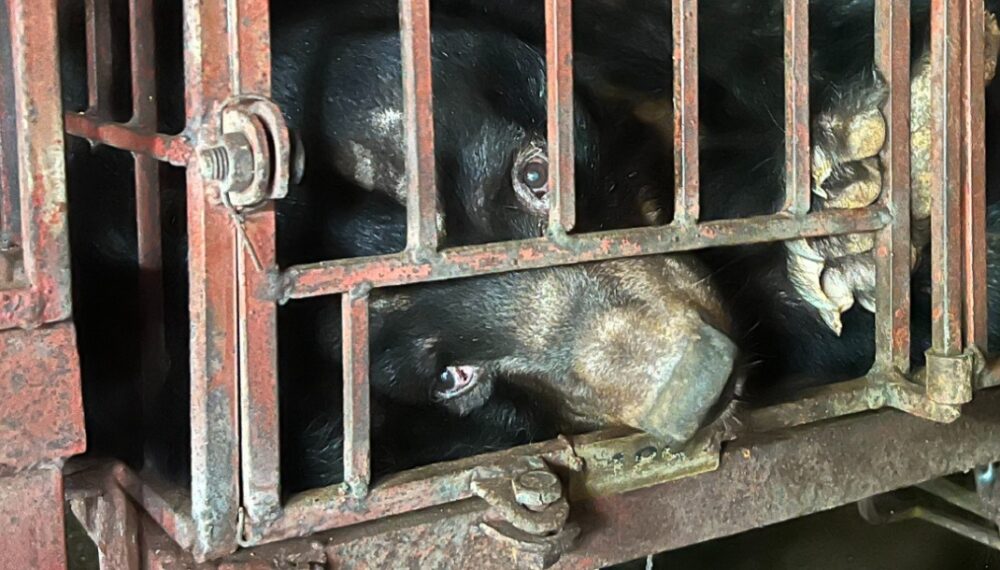
Most of the bears at our sanctuaries have spent years – usually decades – suffering in silence. And as bears are incredibly stoic, it can be hard to detect pain or discomfort.
But our bear care teams have learned that bears do communicate their pain – through movement, behaviour and mood. Our job is to understand what the bears are telling us, and use science and compassion to ease their pain.
What causes pain in captive bears?
-
Years living on hard floors, confined in small cages
-
Degenerative joint disease (osteoarthritis) affecting multiple limbs
-
Poor nutrition, muscle weakness, limited behavioural enrichment
-
Past injuries, trauma, surgical procedures (such as bile extraction)
-
Age‑related conditions as bears live longer in sanctuaries than they do in the wild
Because bears often present little outward sign of pain, the effects – and suffering – can be deep and long lasting.
How do we detect discomfort?
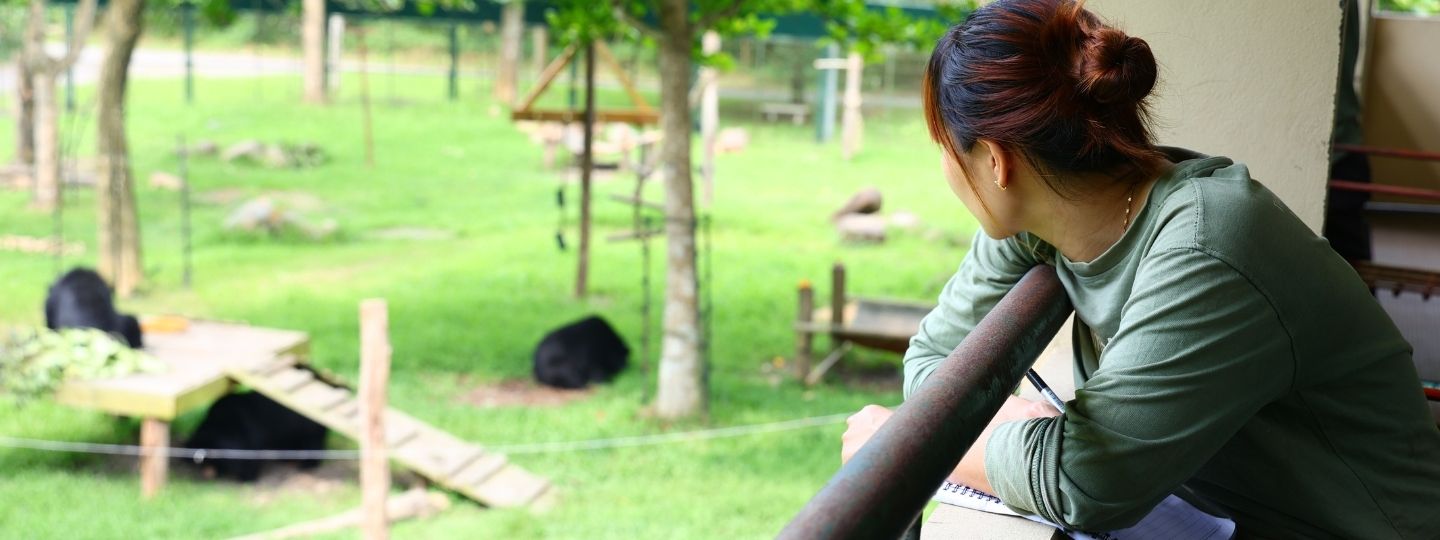
We rely on quiet observation, patience, and multidisciplinary insight:
-
Subtle changes in mobility — a limping step, stiffness, hesitation
-
Behavioural shifts — less interest in enrichment, more hiding, irritability
-
Mood or emotional cues — frustration, withdrawal, reduced joy
-
Comparison to baseline — tracking each bear’s ‘normal’ behaviour over time
-
Team insight — combining views from caregivers, vets and behaviour specialists
Because bears are incredibly stoic… we have to be great observers and notice small and subtle changes.
How we relieve bears’ pain: our compassionate approach
We use a multimodal model – treating the bear, not just the symptom:
1. Medicinal support
– Analgesics, anti-inflammatories, joint supplements
– Carefully tailored doses and monitoring
2. Physical support & therapy
– Physiotherapy, gentle movement exercises, rehabilitation
– Soft surfaces, ramps, non-slip flooring in enclosures
– Adaptive dens, easier access to food and water
3. Environmental & behavioural adaptations
– Enrichment to encourage gentle activity
– Adjusting daily routines, reducing stressors
– Cooperative Care (training bears to voluntarily cooperate with simple procedures)
4. Emotional well-being
– Monitoring for signs of frustration or mood decline
– Promoting pleasurable experiences (play, foraging, safe exploration)
– Ensuring dignity and choice in how care is delivered
The relationship between vet and behaviour teams is essential. By listening to the bear through every discipline, we can detect when pain is not being managed – and adapt quickly.
Why it matters (beyond comfort)
When pain is left unaddressed:
-
behavioural problems may arise (aggression, avoidance)
-
emotional well-being is eroded (less joy, more frustration)
-
quality of life diminishes, especially over long lifespans
By managing pain attentively, we help bears reclaim what matters: movement, social connection, curiosity, contentment.
Help us put an end to animal cruelty
Animals are being captured and exploited every day. Animals Asia has helped thousands, but there is always another animal in need of our help. Please donate today.
Donate now