A year of sanctuary
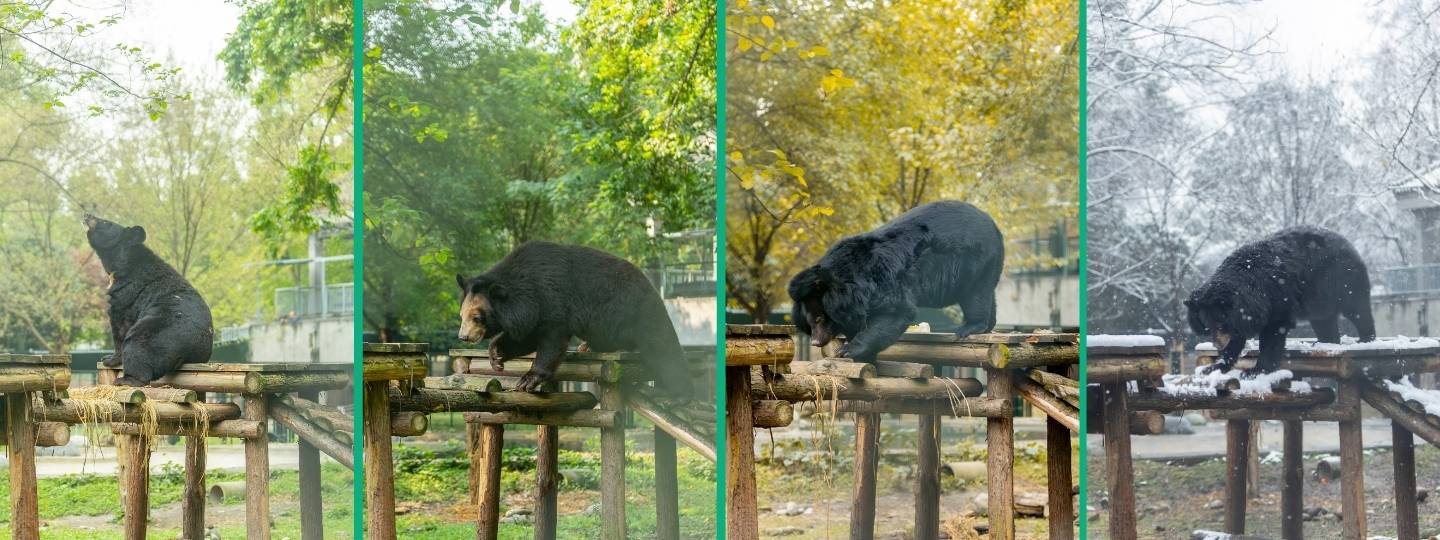
Throughout the year, our rescued bears adapt to changes in temperature, daylight, and food availability. Some enter a period of winter dormancy – our team’s term for the bears who prefer to stay tucked up in their dens for a long seasonal rest – while others stay active year-round.
Their behaviour, appetites, and care needs shift with each season, and our teams adjust to meet them where they are.
Winter: rest and retreat
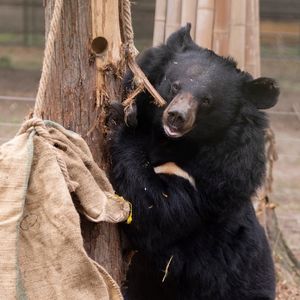
When the weather turns colder and days grow shorter, many bears begin slowing down. Some wake later, eat less, and build cosy nests from straw, hessian sacks, and dried leaves. They might seem sleepy or distracted, others may show restlessness or start pacing as their routines change.
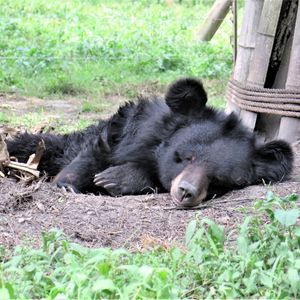
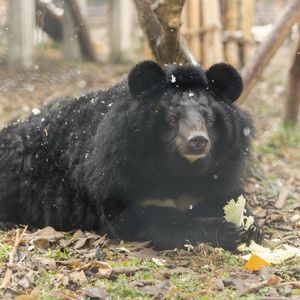
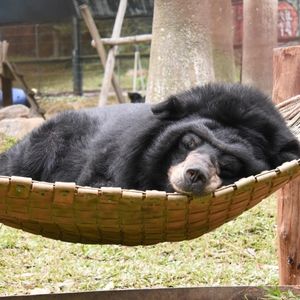
Our team closely monitors each bear to spot signs of winter dormancy (WD). Once a bear settles into this restful period, they stay inside their dens, where they can sleep peacefully and comfortably. Bears on WD receive at least one meal a day – some eat twice, while others may nibble very little for weeks or even months.
Occasionally, two bears will choose to den together for warmth and companionship. Once the cold season ends, they usually return to their own routines until next winter.
Spring: waking up gently
As temperatures rise and daylight increases, the bears slowly become more active. Some may have rested for only a few weeks, while others take several months before they’re ready to explore outside again.
Their appetites are still light at first – mirroring wild bears, who find little fresh food early in the season. Over time, energy levels and interest in food gradually grow.
Summer: energy and enrichment
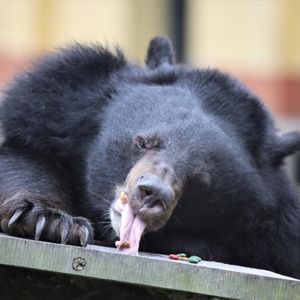
Warm, bright days bring a flurry of activity. Bears spend more time playing, foraging, climbing, cooling off with fruity ice pops and splashing around in pools.
During this lively period, the team introduces double recalls – calling the bears back to their dens twice daily.
This allows carers to refresh their outdoor spaces with new enrichment activities and food puzzles, which help keep minds and bodies active. Studies within the sanctuary show this routine helps reduce repetitive behaviours and encourages natural curiosity.
Autumn: building reserves
As cooler weather returns, appetites soar. Bears instinctively prepare for the next dormancy phase by eating more and storing healthy fat reserves. To match their seasonal needs, our carers increase food quantities gradually and introduce more protein- and fat-rich items such as specially formulated dog food.
It’s a careful balance: enough calories to stay strong, but not so much that weight gain leads to mobility issues.
The enrichment program also changes with the season. Bears receive more nuts – like peanuts and chestnuts – hidden throughout the enclosure to spark foraging instincts and keep them mentally stimulated.


Winter again: the cycle continues
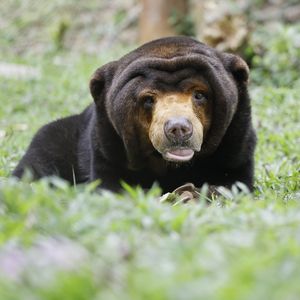
As the year cools once more, appetites naturally fall and the first bears begin retreating indoors. The cycle of dormancy and reawakening starts again, guided by each bear’s individual rhythm.
Festive fun
During this time, the sanctuaries also celebrate special occasions such as Christmas, Halloween, and Lunar New Year. Care teams wrap and scatter themed enrichment ‘presents’ throughout the enclosures, creating fun, sensory experiences that keep bears active and engaged while marking these festive moments.
Why every bear is different
Every bear responds differently to seasonal changes. Age, health, past trauma, and personal comfort all influence how they rest or stay active.
By observing and adapting to each bear’s needs – whether that means preparing extra bedding, adjusting diets, or changing enrichment routines – our teams ensure every individual receives the care they need 365 days a year.
Help us put an end to animal cruelty
Animals are being captured and exploited every day. Animals Asia has helped thousands, but there is always another animal in need of our help. Please donate today.
Donate now